Where attention lives: why sport matters in the attention economy
Every brand wants attention, but so does everyone else. Consumers have never had more choice over what they watch, read and engage with, while the volume of content competing for their time continues to grow. Brands aren't only competing with others in their category, but with almost everything that can occupy a screen or give someone a reason to look elsewhere.
That makes attention one of the most valuable commodities in marketing, but it also raises a more interesting question about the kind of attention brands are generating. Reach remains hugely important, but being seen isn't necessarily the same as being noticed, remembered or cared about. As the fight for attention intensifies, its quality and depth matter alongside its scale.
Sport has something brands want
Different parts of the marketing mix play different roles in winning and converting attention. Paid media can put brands in front of the right audiences at scale, PR can put them into conversations that shape opinion and culture, while social and digital give people more ways to engage and respond.
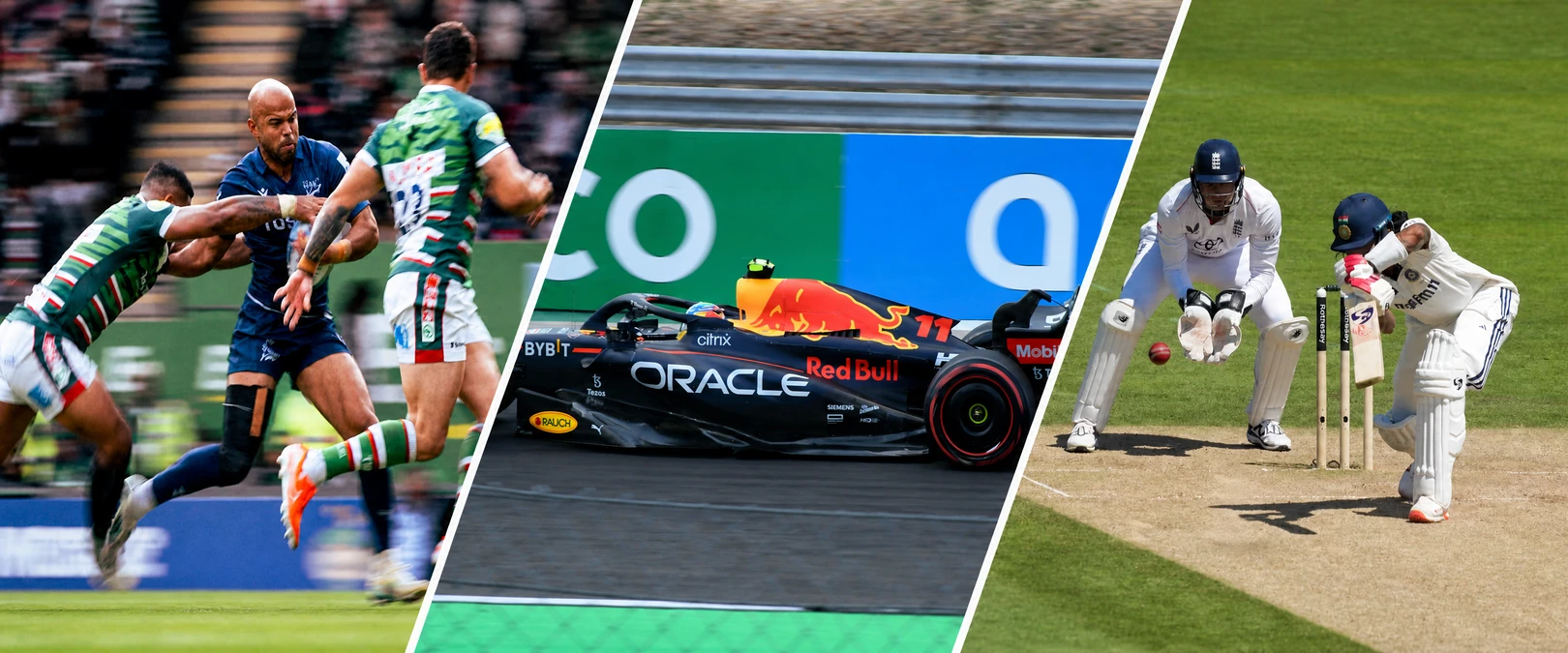
Sport brings something distinctive to that mix because people actively choose to spend time with it. They plan weekends around fixtures, travel to watch their teams, follow the build-up, debate what happened and continue the conversation long after the event has finished. A match might last 80 or 90 minutes, four hours or five days, but the attention around it can stretch across an entire week.
The scale is attractive to brands, but scale isn't really what makes sport different. It's the depth of attention that comes with it. Impressions, reach and views tell us whether something was seen, but not how invested someone was in what they were watching. Sport can command attention from people who have chosen to be there and, crucially, care about what happens next.
The way people follow sport is changing
Sport can't take that attention for granted. Someone might follow a football club, an F1 driver and athletes across several different sports. They could watch a match at the weekend, catch highlights the next morning, listen to a podcast on the commute and spend the week following players and conversations on social.
The live event is increasingly only one part of the relationship. Sport is competing with Netflix, YouTube, TikTok, gaming, podcasts and everything else asking for a share of someone's time. For clubs, rights holders and governing bodies, that means understanding where audiences spend their time and what keeps them interested between the big moments. For brands, it creates far more opportunities to participate.
Beyond putting a logo on it
The problem isn't that traditional sponsorship no longer works. It does. The problem is that brands can spend significant sums buying access to an audience that really cares about something, then behave as though they've simply bought another media placement.
Reach, visibility and association all have value, but they're only part of what a sports partnership can offer. The more interesting question is what a brand does once it has that access.
That might mean improving the experience, providing access people couldn't otherwise get, creating something people actually want or solving a genuine frustration around matchday. A partnership can make perfect sense on a demographic spreadsheet and still leave the people it is intended to reach completely cold. Understanding why people care, how they engage and where a brand can credibly add something is far more valuable than simply knowing the right demographic is watching.
Making sporting attention work harder
The match, race or tournament might provide the focal point, but much of the attention around sport happens elsewhere. The build-up matters, as does the reaction afterwards and everything people choose to consume between events.
This is where sport connects back into the wider marketing mix. PR can take a partnership into conversations beyond the sport itself, social can give people reasons to participate, media can extend its reach and digital can give people somewhere to go next.
It should also change how success is judged. Exposure will always matter, but a large number on an impressions report doesn't automatically mean a partnership has worked. Did it change how people thought about the brand? Did they engage, sign up, try something or consider buying it? Brands should be clear about what they want sport to do for them before deciding what success looks like.
Sport remains one of the most powerful places in the attention economy because people willingly give it their time. For brands, the opportunity isn't simply to be present around that attention, but to understand why people are giving it and find a credible role within it.
What they do with that attention is where it gets interesting.